Technology

Diet Plan With High Protein And Low Carbs

Diet Plan With High Protein And Low Carbs

A low-carb diet is a diet that restricts carbohydrates, such as those found in sugary foods, pasta and bread. It is high in protein, fat and healthy vegetables.

There are many different types of low-carb diets, and studies show that they can cause weight loss and improve health.

This is a detailed meal plan for a low-carb diet. It explains what to eat, what to avoid and includes a sample low-carb menu for one week.

Your food choices depend on a few things, including how healthy you are, how much you exercise and how much weight you have to lose.

Consider this meal plan as a general guideline, not something written in stone.

Eat: Meat, fish, eggs, vegetables, fruit, nuts, seeds, high-fat dairy, fats, healthy oils and maybe even some tubers and non-gluten grains.

Don't eat: Sugar, HFCS, wheat, seed oils, trans fats, "diet" and low-fat products and highly processed foods.

You should avoid these six food groups and nutrients, in order of importance:

  • Sugar: Soft drinks, fruit juices, agave, candy, ice cream and many other products that contain added sugar.
  • Refined grains: Wheat, rice, barley and rye, as well as bread, cereal and pasta.
  • Trans fats: Hydrogenated or partially hydrogenated oils.
  • Diet and low-fat products: Many dairy products, cereals or crackers are fat-reduced, but contain added sugar.
  • Highly processed foods: If it looks like it was made in a factory, don't eat it.
  • Starchy vegetables: It's best to limit starchy vegetables in your diet if you're following a very low-carb diet.

You must read ingredient lists even on foods labelled as health foods.

For more details, check out this article on 14 foods to avoid on a low-carb diet.

You should base your diet on these real, unprocessed, low-carb foods.

  • Meat: Beef, lamb, pork, chicken and others; grass-fed is best.
  • Fish: Salmon, trout, haddock and many others; wild-caught fish is best.
  • Eggs: Omega-3-enriched or pastured eggs are best.
  • Vegetables: Spinach, broccoli, cauliflower, carrots and many others.
  • Fruits: Apples, oranges, pears, blueberries, strawberries.
  • Nuts and seeds: Almonds, walnuts, sunflower seeds, etc.
  • High-fat dairy: Cheese, butter, heavy cream, yogurt.
  • Fats and oils: Coconut oil, butter, lard, olive oil and fish oil.

If you need to lose weight, be careful with cheese and nuts, as it's easy to overeat on them. Don't eat more than one piece of fruit per day.

Foods to Maybe Include

If you're healthy, active and don't need to lose weight, you can afford to eat a few more carbs.

  • Tubers: Potatoes, sweet potatoes and some others.
  • Unrefined grains: Brown rice, oats, quinoa and many others.
  • Legumes: Lentils, black beans, pinto beans, etc. (if you can tolerate them).

What's more, you can have the following in moderation, if you want:

  • Dark chocolate: Choose organic brands with at least 70% of cocoa.
  • Wine: Choose dry wines with no added sugar or carbs.

Dark chocolate is high in antioxidants and may provide health benefits if you eat it in moderation. However, be aware that both dark chocolate and alcohol will hinder your progress if you eat/drink too much.

Beverages

  • Coffee
  • Tea
  • Water
  • Sugar-free carbonated beverages, like sparkling water.

This is a sample menu for one week on a low-carb diet plan.

It provides less than 50 grams of total carbs per day. However, if you're healthy and active you can eat slightly more carbs.

Monday

  • Breakfast: Omelet with various vegetables, fried in butter or coconut oil.
  • Lunch: Grass-fed yogurt with blueberries and a handful of almonds.
  • Dinner: Bunless cheeseburger, served with vegetables and salsa sauce.

Tuesday

  • Breakfast: Bacon and eggs.
  • Lunch: Leftover burgers and veggies from the previous night.
  • Dinner: Salmon with butter and vegetables.

Wednesday

  • Breakfast: Eggs and vegetables, fried in butter or coconut oil.
  • Lunch: Shrimp salad with some olive oil.
  • Dinner: Grilled chicken with vegetables.

Thursday

  • Breakfast: Omelet with various vegetables, fried in butter or coconut oil.
  • Lunch: Smoothie with coconut milk, berries, almonds and protein powder.
  • Dinner: Steak and veggies.

Friday

  • Breakfast: Bacon and eggs.
  • Lunch: Chicken salad with some olive oil.
  • Dinner: Pork chops with vegetables.

Saturday

  • Breakfast: Omelet with various veggies.
  • Lunch: Grass-fed yogurt with berries, coconut flakes and a handful of walnuts.
  • Dinner: Meatballs with vegetables.

Sunday

  • Breakfast: Bacon and eggs.
  • Lunch: Smoothie with coconut milk, a dash of heavy cream, chocolate-flavored protein powder and berries.
  • Dinner: Grilled chicken wings with some raw spinach on the side.

Include plenty of low-carb vegetables in your diet. If your goal is to remain under 50 grams of carbs per day, there is room for plenty of veggies and one fruit per day.

If you want to see more examples of go-to meals, check out this article on 7 healthy low-carb meals in under 10 minutes.

Again, if you're healthy, lean and active, you can add some tubers like potatoes and sweet potatoes, as well as some healthy grains like oats.

Healthy, Low-Carb Snacks

There is no health reason to eat more than three meals per day, but if you get hungry between meals, here are some healthy, easy-to-prepare, low-carb snacks that can fill you up:

  • A piece of fruit
  • Full-fat yogurt
  • One or two hard-boiled eggs
  • Baby carrots
  • Leftovers from the previous night
  • A handful of nuts
  • Some cheese and meat

At most restaurants, it's fairly easy to make your meals low-carb friendly.

  1. Order a meat- or fish-based main dish.
  2. Drink plain water instead of sugary soda or fruit juice.
  3. Get extra vegetables instead of bread, potatoes or rice.

A good rule is to shop at the perimeter of the store, where the whole foods are more likely to be found.

Focusing on whole foods will make your diet a thousand times better than the standard Western diet.

Organic and grass-fed foods are also popular choices and often considered healthier, but they're typically more expensive.

Try to choose the least processed option that still fits into your price range.

  • Meat (beef, lamb, pork, chicken, bacon)
  • Fish (fatty fish like salmon is best)
  • Eggs (choose omega-3 enriched or pastured eggs if you can)
  • Butter
  • Coconut oil
  • Lard
  • Olive oil
  • Cheese
  • Heavy cream
  • Sour cream
  • Yogurt (full-fat, unsweetened)
  • Blueberries (fresh or frozen)
  • Nuts
  • Olives
  • Fresh vegetables (greens, peppers, onions, etc.)
  • Frozen vegetables (broccoli, carrots, various mixes)
  • Condiments (sea salt, pepper, garlic, mustard, etc.)

Clear your pantry of all unhealthy temptations if you can, such as chips, candy, ice cream, sodas, juices, breads, cereals and baking ingredients like refined flour and sugar.

Low-carb diets restrict carbs, such as those found in sugary and processed foods, pasta and bread. They're high in protein, fat and healthy vegetables.

Studies show that they can cause weight loss and improve health.

The above meal plan gives you the basics of healthy, low-carb eating.

If you need a comprehensive list of low-carb recipes that are both simple and delicious, check out this article on 101 healthy low-carb recipes that taste incredible.

Of course, you can also browse the Internet for even more low carb or paleo recipes.

Diet Plan With High Protein And Low Carbs

Source: https://www.healthline.com/nutrition/low-carb-diet-meal-plan-and-menu

Average Weight Loss On Low Carb Diet Per Week

Average Weight Loss On Low Carb Diet Per Week

I've tried my fair share of weird weight-loss strategies, none of which I wind up maintaining long-term because of the crazy restrictions. But in the summer of 2015, my parents started their own journey on the low-carb diet, and after seeing each of them successfully shed some pounds, I decided to give the diet a try for myself and see what kind of low-carb diet results I'd get.

Diets that minimize carbs go by many names. Chances are you've heard people refer to the Atkins, South Beach, or Keto (short for "ketogenic") diets. For the purposes of this experiment, I followed the rules laid out by Susan Kleiner, Ph.D, R.D, author of Power Eating, in this article. Since I work out moderately at least three times a week, I planned to consume 100 grams of carbohydrates per day on the plan—and that was the only rule. Considering cheese is naturally low in carbs (and was the hardest thing to give up during my bouts of Paleo and Whole30), I figured I'd finally met my perfect weight-loss match. So, armed with no further restrictions than capping my carb count, I kicked off two full weeks on the diet. Here's what I learned and what my low-carb diet results looked like.

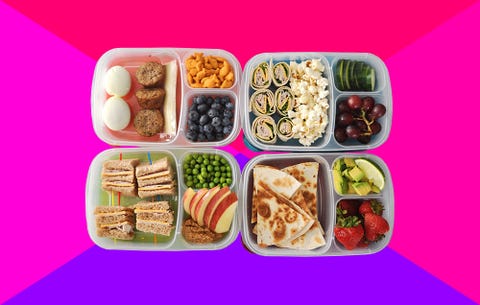
1. You might want to start a food journal

Food journal

Getty Images

I've heard people preach about the wonders of food journals and how helpful they can be, but I always found the idea of writing down every last bite of food I consumed to be overkill. After all, I'm pretty aware of what I'm putting in my body, thankyouverymuch. But during my first day of counting carbs, I realized how helpful it really was to keep track of what I was eating. I kept my daily journal on a Google doc and updated it throughout my day. Not only did it help me keep a daily tally of how many carbs I'd eaten, but it was also a great reference for looking up the number of carbs in foods I eat regularly.

2. Meal prep is helpful, but not totally necessary

Meal prep

Getty Images

Anyone who knows me knows I'm a huge advocate of meal prepping. And planning my low-carb meals ahead of time made sense since I wanted to reduce temptation. However, when I got tired of my meals by day three and checked out the menus of a few restaurants online, I was pleasantly surprised to find it's easy to eat out on the low-carb diet. As a rule of thumb, I stuck to grabbing food from places I could accurately record the nutrition of my meal. And if that wasn't available, I'd use my best judgement to order as low-carb as possible. (Read: No bun or fries with my burger, please.)

Related: 7 Foods I Prep Each Week to Make Sure I Eat as Healthy as Possible

3. Booze is allowed

Booze

Getty Images

Just as not all diets are created equal, neither are your favorite happy hour drinks. I quickly got into the habit of looking up the carbs per serving of foods online before (and sometimes after) I consumed them, and when doing a quick search for drinks I learned that most red wine and spirits are actually safe options. I got into the habit of ordering a glass of Pinot Noir (3.4 grams of carbs for five ounces) or a gin and soda (no carbs!), which was a totally welcome change from Paleo, which discourages all alcohol. (These are the best wines to drink if you're trying to lose weight.)

Check out these moves that can help you reach your weight loss goal faster.

4. Always calculate your own nutrition information

Calculator

Getty Images

Sure, you can trust nutrition labels on foods you buy at the grocery store, but if you're cooking from a recipe you found online (or even if you're relying on MyFitnessPal), it's best to double check how many carbs are in your ingredients. I found when I was grocery shopping that different brands of certain products (i.e. marinara sauce) can have insanely different carb counts per serving. During my first week of prep, I followed a blogger's low-carb recipe for a veggie lasagna and found that my version actually had more carbs per serving than hers (thanks to the sauce).

Related: Is Weight Loss Really 80 Percent Diet and 20 Percent Exercise?

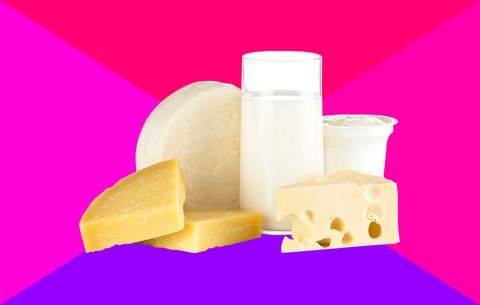
5. This diet is very dairy friendly.

Dairy products

Getty Images

Listen up, cheese lovers, because this diet could potentially be a good fix for you. I know how hard it is to part ways with cheese and cream, but since dairy is naturally low in carbs it's actually a great source of healthy fats (which you'll consume a lot of on this plan). Since the whole point of a low-carb diet is to train your body to burn fat and not sugar as a source of energy, full-fat dairy is encouraged. Score! (Hit the reset button—and burn fat like crazy with The Body Clock Diet!)

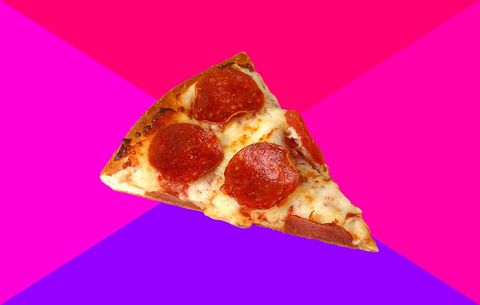
6. You probably won't get crazy cravings.

Pizza cravings

Getty Images

My parents are in the super-serious Atkins induction phase, which only allows them 20 grams of carbs per day (about the amount in a small apple). My mom constantly preached to me about keeping snacks handy for when my body suddenly goes into ketosis, but I actually never felt any symptoms of weakness or deprivation. In fact, since I was filling up on protein and healthy fats, I was able to consistently stay full. Sorry, mom!

Related: The Changes One Trainer Made to Lose Weight After Years of Diet and Exercise

7. You'll start seeing results quickly.

Weight loss

Getty Images

Even though I was only committed to this diet for two weeks, I couldn't help but weigh myself after my first week. I wasn't feeling hungry or deprived, so I worried that I was doing something wrong. Despite my concerns I'd dropped 1.8 pounds after one week on the diet. After my second week, I'd lost 3.4 pounds and started to notice my frame thin out a bit. So yes, I did get to eat dairy, drink wine, and drop a few pounds. Needless to say, I think this is a plan I could happily stick with. But first I need a slice of pizza.

This content is created and maintained by a third party, and imported onto this page to help users provide their email addresses. You may be able to find more information about this and similar content at piano.io

Average Weight Loss On Low Carb Diet Per Week

Source: https://www.womenshealthmag.com/weight-loss/a19968209/low-carb-diet-results/

Is Golo A Low Carb Diet

Is Golo A Low Carb Diet

Photo Courtesy: [Phil Fisk/Cultura/Getty Images]

Carbs may be delicious, but, depending on your health status and any conditions you may have, they may not be the most nourishing (or healthy) macronutrients for you to eat. However, that doesn't mean you can't enjoy your favorite typically higher-carb foods — it just means you need a bit of creativity and a few tips and tricks for making modifications. That's especially true when it comes to a classic breakfast favorite: quiche.

Traditional quiche begins with a pie crust as its base, which isn't ideal if you're limiting carbs. But, by removing the crust — or using some delicious, low-carb substitutes — you can still enjoy the delicate egg and zesty ingredient combinations that make this dish so versatile. Start diversifying your low-carb breakfast menu (or even your evening meals) with these easy crustless quiche recipes.

Crustless Vegetable Quiche

Photo Courtesy: [EasyBuy4u/Getty Images]

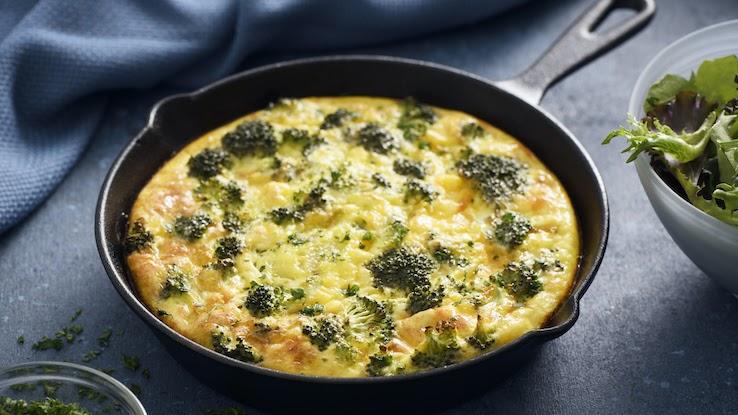
Starting the day with an array of healthy vegetables — plus the protein from eggs — on your plate is never a bad idea. That's why this crustless vegetable quiche is such a nice option: You get great flavors and all the nutritional benefits of whatever veggies you add. Plus, it's vegetarian friendly. Even if you're not fully vegetarian, there are some great reasons to try this quiche; forgoing meat once in a while and upping your consumption of fresh produce can improve your cholesterol levels, for one.

This recipe from Food.com calls for broccoli, red pepper and zucchini, though you can swap them out for other vegetables if you prefer. Mushrooms, asparagus and tomatoes are tasty options as well. All are great sources of different vitamins, minerals and fiber. Add the cheese of your choice and some salt and pepper or other spices for an easy way to change up the flavor profile.

Crustless Quiche Lorraine

 Photo Courtesy: [jaker5000/Getty Images]

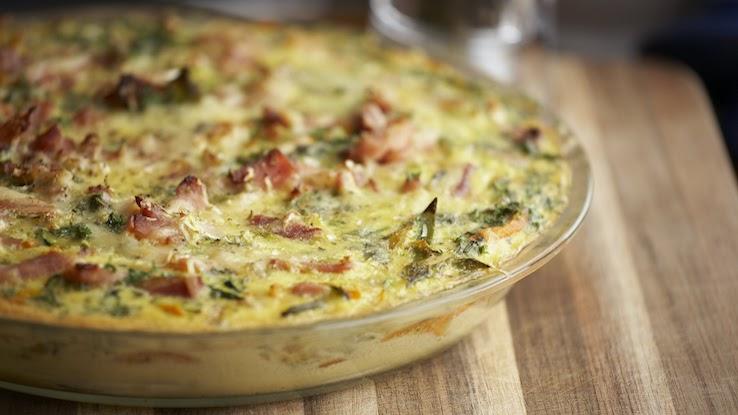
Quiche Lorraine might be one of the most classic (and best-known) recipes for this dish — and it's just as delicious without the crust. If you're looking for a keto-friendly breakfast dish that helps you reach your daily protein goals, this crustless quiche Lorraine, also from Food.com, is a top option.

Generally, people who follow the ketogenic diet get about 75% of their daily calories from fat, 20-30% from protein and around 5% from carbs. This recipe gets its fat and protein from the eggs, bacon and Swiss cheese you'll use. If you want to add a vegetable for extra flavor and nutrients, try spinach; it's relatively low in carbs but packed with healthy vitamins A and K.

Bacon Cheeseburger Keto Breakfast Quiche

 Photo Courtesy: [John Rizzo/Getty Images]

Looking for more crustless quiche options that work just as well for dinners as they do your morning meals? You'll want to try this bacon cheeseburger keto quiche from Kalyn's Kitchen. It satisfies keto fat and protein requirements thanks to its ground beef, bacon, eggs and the cheese of your choice (we recommend sharp cheddar). For a little bit of low-carb veggie crunch, add a handful of green onions and pickles into the mix too — yes, pickles in crustless quiche. They really do elevate this dish with their crunch and zesty tang.

Spicy Southwest Crustless Quiche

 Photo Courtesy: [yipengge/Getty Images]

For those on the keto diet who also like a little kick to their meals, this spicy Southwest crustless quiche from the folks at Wisconsin Cheese will definitely satisfy any flavor cravings. It's packed full of fat and protein thanks to its eggs, heavy whipping cream, milk and pork sausage. Add some jalapenos, green peppers and pepper jack cheese to crank up the spice level.

As with most of the quiche dishes in this list, you'll cook this in a greased pie dish at 350 degrees Fahrenheit until the edges are golden brown and the center of the quiche no longer looks runny or jiggly. It may take about 45 minutes to achieve the right cooked consistency, and you can also tell the quiche is done — as with many baked treats — when a knife inserted into the center comes out clean. Let the quiche stand for about 10 minutes to fully firm up before slicing into it.

Vegan Crustless Quiche

 Photo Courtesy: [Cavan Images/Getty Images]

This one is a bit of a surprise — a unique and flavorful surprise. You already know quiche is an egg dish, and eggs aren't vegan. So you might also be wondering how a vegan version could exist. In showcasing some true culinary creativity, this vegan crustless quiche from The Spruce Eats utilizes tofu, dairy-free crumbled cheese, soy or almond milk, nutritional yeast, ground cashews and dairy-free cream cheese.

The result is a smooth, authentic crustless quiche that's perfect for people who eat a plant-based diet or those who are allergic to eggs. In addition to its healthful egg-free base, it's got asparagus, garlic and turmeric to spice things up just right. You can always add or substitute your preference for other veggies as well; consider using what's in season to enjoy them at their peak of freshness.

Kale and Feta Crustless Quiche

 Photo Courtesy: [Kale and Feta Crustless Quiche/Eating Bird Food]

Eating Bird Food's kale and feta crustless quiche recipe is an easy yet flavorful low-carb meal that makes for not only a delicious breakfast but also an ideal main course for lunch or dinner. Simply pair a slice with a cup of soup or a salad to create a well-rounded meal. As an added bonus, this recipe is a little different from other basic crustless quiches, which can keep your taste buds on their toes while giving you a nutrient boost at the same time.

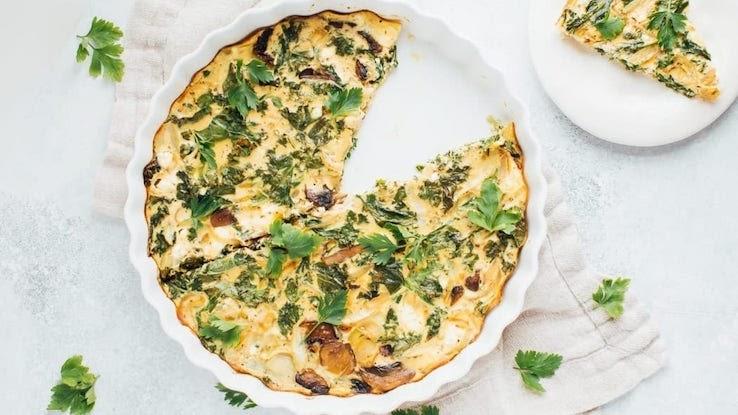
Aside from the kale, feta and eggs — its star ingredients — this recipe uses coconut oil, almond milk, mushrooms, garlic, nutmeg and parsley. And here's an interesting tidbit of information about kale: It's a superfood that's chock-full of vitamins and minerals — but that's also low in calories and carbs.

Resource Links:

https://nutritiondata.self.com/facts/vegetables-and-vegetable-products/2626/2

https://www.mayoclinichealthsystem.org/hometown-health/speaking-of-health/the-many-types-and-health-benefits-of-kale

MORE FROM SYMPTOMFIND.COM

Is Golo A Low Carb Diet

Source: https://www.symptomfind.com/health/basic-crustless-quiche-recipes?utm_content=params%3Ao%3D740013%26ad%3DdirN%26qo%3DserpIndex

High Protein Low Fat Moderate Carb Diet

High Protein Low Fat Moderate Carb Diet

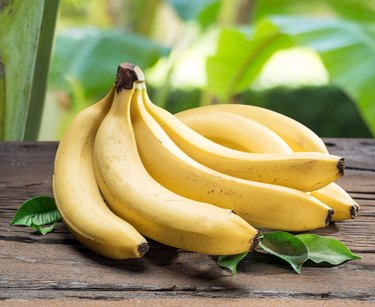
Banana bunch on the wooden table.

The healthiest high-carb, low-fat, low-protein foods are often complex carbohydrates.

Image Credit: ValentynVolkov/iStock/GettyImages

Foods rich in carbohydrates often get a bad reputation for causing weight gain or being linked to different types of health issues. But healthy high-carbohydrate foods exist — usually as low-protein, low-fat foods that come from complex carbohydrate sources. Complex carbohydrates include foods like whole grains and starchy, fibrous vegetables. Eating high-carb, low-protein, low-fat foods can help improve your metabolic health as well as your digestive system function.

Low-Fat, High-Carb, Low-Protein Diets

Traditionally, a balanced diet is meant to contain 50 to 60 percent carbohydrates, 12 to 20 percent protein and 30 percent fat. Data from the United States Department of Agriculture has shown that most Americans consume diets close to this, with an average of 48.1 percent carbohydrates, 11.3 percent protein and 40.6 percent fat. In contrast, high-carb, low-protein diets can range from 64 percent carbohydrates, 18 percent protein and 18 percent fat to 85 percent carbohydrates, 9 percent protein and 6 percent fat.

Diets rich in carbohydrates that are also low in protein and fat are popular among certain populations with long life spans. The protein-to-carbohydrate ratio associated with a longer life span is typically 1-to-10, respectively. People on the island of Okinawa in Japan who have diets of similar proportions have a longer life span and fewer age-related diseases than average. These diets are specifically focused on high-carb, low-protein, low-fat foods.

High-carbohydrate diets of this type haven't been studied as extensively as other diets. This may be due to the wide range of positives associated with low-carbohydrate, high-fat diets and negatives associated with high-carbohydrate foods.

However, high-carbohydrate diets have been shown to be clinically relevant, helping reverse liver disease and improving the health of diabetics. Just like the Okinawan diet, diets like these typically promote consumption of complex carbs without fat — specifically creating a high-fat, low-protein, low-fat diet filled with unrefined, complex carbohydrates that are more positive for your metabolism and digestive system.

Eating High-Carb Foods

Most people who consume a Western diet ingest 2,000 calories a day. This means that the average person is consuming half of her calories in carbohydrates, which equals about 250 grams of carbohydrates per day.

In contrast, the Okinawan diet has 85 percent carbohydrates, which is the equivalent of 425 grams carbohydrates if you're eating the same number of calories. Regardless of the type of diet you're into, choosing which carbohydrate-rich foods are healthiest can be confusing since there are so many different types.

Carbohydrates can be one of two types: simple or complex. According to the USDA Dietary Guidelines, simple carbohydrates are carbs like sugar (naturally occurring like fruit, or added), while complex carbohydrates are carbs like the fiber found in whole grains or the starch in vegetables. In general, consuming more complex carbs and fewer simple carbs is better for you.

High-carbohydrate foods include a wide variety of foods such as:

  • Candies, desserts and other foods rich in sweeteners
  • Cereals
  • Noodles and pasta
  • Crackers, bread and other baked goods
  • Chips, popcorn and other types of snacks
  • Fruits like bananas and mangoes
  • Vegetables like sweet potato and eggplant
  • Beans, peas, lentils and other legumes

You can utilize resources like the USDA Food Composition Database to identify high-carb foods that are low in fat and protein. In general, carbohydrates that come from unrefined, unprocessed foods will always be healthier for you.

High-Carb Food Negatives

Carbohydrates have a bad reputation because they tend to be processed, refined and available in a variety of high-fat products. This trend has meant that high-carbohydrate diets have often been tied to an increased chance of health issues like cardiovascular disease and diabetes. However, the link between carbohydrate-rich diets and disease is typically related to the consumption of refined grain products, sugary products, processed foods and fried foods.

A diet rich in refined high-carbohydrate foods would be considered an unhealthy diet. If you're looking for high-carb, low-protein, low-fat foods, you should eat fruits, vegetables, grains and legumes — basically, complex carbohydrates in all shapes and sizes. Consuming a balanced diet, even if it's primarily carbohydrate based, is important for the health of your digestive system, since every food that you eat has the potential to change your microbiome and overall health.

According to a 2014 study in Nature, the microbes that live in your gut are influenced by the foods you eat every day. Unbalanced diets can cause certain types of unhealthy microbes to take up residence in your gastrointestinal system, while healthy diets are more likely to encourage the growth of healthy microbes.

Since your gut and brain are directly linked to each other, this can impact anything from your digestive system function to your mental health. Fortunately, even if you eat a lot of carbohydrate-rich foods, as long as your diet is balanced with complex carbs, your microbiome should stay healthy.

Healthy Complex Carbohydrate Choices

Eating high-carbohydrate, low-protein, low-fat foods means that you need to include a variety of healthy carbohydrates in your daily diet. Ideally, you should eat a variety of complex carbohydrates, while minimizing your animal protein and fat intake. Fortunately, this means that a wide variety of plant-based foods are available to you since these foods are typically low in fat and most are low in protein. This means that complex carbohydrates can come from fruits like:

  • Prunes
  • Bananas
  • Strawberries
  • Tomatoes
  • Oranges
  • Grapefruits
  • Apples
  • Plums

Complex carbohydrates can also come from vegetables like:

  • Artichokes
  • Cucumbers
  • Radishes
  • Eggplant
  • Broccoli
  • Celery
  • Corn
  • Watercress
  • Asparagus
  • Lettuce
  • Cabbage
  • Cassava
  • Okra
  • Brussels sprouts
  • Carrots
  • Onions
  • Cauliflower
  • Sweet potato
  • Spinach
  • Turnip

Complex carbohydrates can also come from grains and grain-products like:

  • All-bran cereals and high-fiber breakfast cereals
  • Pita, multigrain, pumpernickel and other types of whole-grain bread
  • Oat-based products like oatmeal and oatcakes
  • Cornmeal products like polenta and porridge
  • Pasta and noodles, particularly those made with buckwheat and other whole grains
  • Brown rice and wild rice

You can also obtain complex carbohydrates from nuts, seeds and legumes, such as chickpeas, lentils, split peas, and various types of beans, including soybeans. You should be aware that these foods have more protein compared to other plant-based products. However, these plant-based protein sources are a good way to enrich your diet with both protein and carbohydrates simultaneously. If you're uncertain about how to plan a high-carbohydrate diet, you can always use the Okinawan diet as an example, since this high-carb, low-fat, low-protein diet has well-studied health benefits.

Okinawan Diet Pros and Cons

The Okinawan diet is a good example of a low-fat, high-carb, low-protein diet. It's well-known that Okinawans have a longer-than-average life span and reduced incidence of various types of disease. In particular, Okinawans:

  • Gain less weight
  • Live longer than average
  • Show fewer biomarker-based signs of aging
  • Are less likely to die from age-related diseases like heart disease and cancer

The Okinawan diet is essentially based on eating fewer calories than average while consuming primarily complex carbohydrates. The residents of Okinawa typically eat a substantial amount of sweet potatoes and other vegetables as their primary foods. They also eat grains like rice, wheat and barley, legumes such as soy and small amounts of fish. Very little fruit, meat, eggs and dairy are eaten.

It's clear, however, that eating a diet like this can result in consuming a proportion of nutrients different from what is recommended by the USDA Dietary Guidelines. The Okinawan diet is extremely rich in certain nutrients:

  • Vitamin B6 is consumed at 221 percent of the recommended daily intake.
  • Folate (vitamin B9) is consumed at 295 percent of the recommended daily intake.
  • Vitamin C is consumed at 289 percent of the recommended daily intake.
  • Vitamin E is consumed at 190 percent of the recommended daily intake.
  • Vitamin B2 is consumed at 45 percent of the recommended daily intake.
  • Vitamin B12 is consumed at 27 percent of the recommended daily intake.
  • Vitamin D is consumed at 2 percent of the recommended daily intake.

Keep in mind that, if you're consuming a diet based around low-fat, high-carb, low-protein foods, your food choices don't have to be exactly the same as those typical of the Okinawan diet. Just be sure to supplement your high-carbohydrate diet with certain nutrients, such as vitamin B12, since certain vitamins are primarily found in animal products. You also shouldn't reduce your protein intake to less than 5 percent. Doing so can cause loss of muscle mass and is too little to maintain a good state of health overall.

Eating Carbs Without Fat

Eating a carbohydrate-rich diet isn't too difficult, given the range of high-carb foods that are available. However, achieving the right balance of carb-rich foods with low protein and low fat can be a challenge.

Even when you're using complex carbohydrates like whole grains for preparation of carbohydrate-rich foods, figuring out how to consume them in a healthy way can be difficult. Ingredients like dairy and meat are often integrated into high-carbohydrate meals, and certain cooking methods can cause you to easily consume too much fat.

The easiest way to eliminate most fats is to alter your cooking method. Boiling, steaming and slow-cooking foods can all help reduce fat content during the cooking process, in contrast to frying or sautéing. It can be easy to change cooking techniques. Instead of frying potatoes, roast them; instead of pan-frying your dumplings, steam them.

Using methods like boiling, steaming and baking is also good for your health because these methods prevent the development of advanced glycation end products. These dietary end products can increase inflammation, insulin resistance and the development of chronic diseases. Fortunately, advanced glycation end products are typically lower in low-fat foods, meaning that you'll be avoiding these naturally by consuming high-carbohydrate, low-protein, low-fat foods.

High Protein Low Fat Moderate Carb Diet

Source: https://www.livestrong.com/article/438316-high-carb-low-protein-and-low-fat-foods/

Is Cheese Ok On A Low Carb Diet

Is Cheese Ok On A Low Carb Diet

While the keto diet comes with plenty of restrictions, it also allows you to eat plenty of one of the most beloved forms of dairy – cheese! But not all cheeses are as keto-friendly as others. To help you fill your fridge with keto-friendly fromage, here's a full list of high-fat, low-carb cheese types!

1. Halloumi Cheese

Fat: 9g of fat per ounce
Carbs: 0g carbs per ounce*

9 High-Fat, Low-Carb Cheeses for Keto Dieters - Halloumi Cheese
Halloumi cheese originated in Cyprus and is extremely popular throughout Greece and the Middle East. Traditionally, Halloumi is garnished with mint leaves to add flavor, which can also act as a preservative. Because of Halloumi's high melting point, it's commonly enjoyed grilled or fried.

This high-fat, low-carb cheese is the perfect addition to the ketogenic diet. Halloumi is also a great source of protein, with 7 grams for every 1-ounce serving!

2. Feta Cheese

Fat: 7g per ounce
Carbs: 3g per ounce*

9 High-Fat, Low-Carb Cheeses for Keto Dieters - Feta Cheese
Feta cheese has been a staple of Greek cuisine since the early 20th century. The word feta means "slice," likely because the 17th-century Greek practice of barrel-aging cheese involves slicing the cheese before placing it into the barrels.

With 7 grams of fat and only 3 grams of carbs, feta can be eaten by those following the keto diet. Feta's crumbly texture makes it easy to sprinkle on top of salads or soups. True feta fanatics often top it with olive oil and eat it as a standalone item or side dish.

3. Cream Cheese

Fat: 9g per ounce
Carbs: 2g per ounce*

9 High-Fat, Low-Carb Cheeses for Keto Dieters - Cream Cheese
Best known as the go-to bagel spread, cream cheese was first produced on a small scale by New York and Philadelphia dairy farmers in the mid-18th century. Then, in 1872, William A. Lawrence became the first person to mass-produce cream cheese, making him the de facto "inventor."

With 9g of fat and only 2 grams of carbs per ounce, cream cheese is one of the top keto-friendly cheeses. In addition to bagels, cream cheese can be used in snacks, such as pickle roll-ups. To make a pickle roll-up, spread a slice of nitrate-free deli meat with cream cheese. Then, lay your pickle in the middle of the deli meat and roll it up. Finally, slice it evenly and enjoy!

4. Brie Cheese

Fat: 8g per ounce
Carbs: 0.1g per ounce*

9 High-Fat, Low-Carb Cheeses for Keto Dieters - Brie Cheese
Originally from northern France, Brie gained popularity in 774 when the French Emperor, Charlemagne, tried and fell in love with it at a monastery. After that day, he commanded it to be delivered regularly to his castle! It's been a staple of French cuisine ever since. Brie is traditionally cut into wedges and served charcuterie-style with crackers and cured meats. To make a keto-friendly charcuterie board, simply swap traditional crackers with parmesan crisps!

Brie is an ideal keto-friendly cheese option! With 8 grams of fat and only 0.1 grams of carbs per ounce, it's an excellent addition to the keto diet.

5. Goat Cheese

Fat: 9g per ounce
Carbs: 0g per ounce*

Goat Cheese
Like Brie, this spreadable high-fat, low-carb cheese originated in France. It's also commonly referred to as Chèvre, which means "goat" in French.

Goat cheese has 0 grams of carbohydrates and 9 grams of fat! Because of the protein structure differences when compared to cow's milk, goat cheese is often more easily digested and is naturally lower in lactose. For those who enjoy its tangy taste, goat cheese is an excellent ingredient to use in frittatas or omelets.

6. Gruyere Cheese

Fat: 9g per ounce
Carbs: 0g per ounce*

Gruyere
Said to be developed in Gruyeres, Switzerland, the exact origin of gruyere cheese is the subject of much debate. For a time, Austria laid claim to its origins until the European Union (EU) got involved, ruling in favor of Switzerland's claim.

Since Gruyere melts easily, it makes a great fondue. It also pairs well with meats and vegetables. With 9 grams of fat and 0g of carbs, it's a dream come true for cheese lovers following the keto diet.

7. Mozzarella (Whole Milk)

Fat: 6g per ounce
Carbs: 1g per ounce*

Mozzarella
Mozzarella was first made near Naples, Italy, using water buffalo milk. Unlike most cheeses, Mozzarella is enjoyed fresh, rather than being aged!

With a total carb count of 1 gram per ounce, it is yet another keto-friendly cheese to keep on-hand. Mozzarella also contains probiotics, which have shown to improve digestive health and emotional health! Pair it with fresh tomatoes and basil for a fresh Caprese salad. [1]

8. Parmesan Cheese

Fat: 7g per ounce
Carbs: 1g per ounce*

Parmesan
Parmesan cheese is a widely-popular cheese used in pasta, antipasto salads and other traditional Italian dishes. Authentic Parmigiano-Reggiano is created in the provinces of Parma, Reggio Emilia, Modena, Bologna and Mantua. Only cheese in these provinces can receive the official name of Parmigiano-Reggiano.

Parmesan cheese can easily be worked into a keto diet, so long as you leave behind the pasta. For keto dieters, try using Parmesan as a salad topper, or eat it as a midday snack with meat or veggies.

9. Swiss Cheese

Fat: 9g per ounce
Carbs: 0g per ounce*

Swiss
Best known for its holey appearance, Swiss cheese is referred to as Emmental cheese in Europe because it was first created in the Emmental Region of Switzerland.

With 9 grams of fat and 0 grams of carbohydrates, this makes for an ideal high-fat, low-carb cheese! While a swiss cheese sandwich isn't going to fly on the keto diet, it can easily be worked into chef salads or paired with your favorite nitrate-free deli meat for a quick snack.

*The nutritional information provided in this article is sourced from the FDA FoodData Central.

Sources:

[1] www.ncbi.nlm.nih.gov

Is Cheese Ok On A Low Carb Diet

Source: https://underscore.factor75.com/low-carb-cheese-keto-diet/

Easy Low Carb Diet Plan

Easy Low Carb Diet Plan

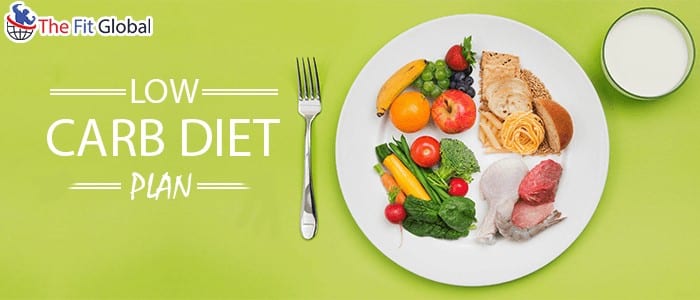
Hello, my dear health concerned individuals! How are you? It's been so common to follow a particular diet but do we have the authenticity of the diet we're following? Maybe yes, for few of them and No for most of them. And, again confusion comes about what exactly to eat and what not to eat! In this world, we don't even know why we are opting for a particular thing! We just go with the majority and not with maturity. Anyways, today I have come up to tell you about low carb diet plan. Individual aspects and strengths always have to roll our minds so we can enjoy the best health.

Low Cab Diet Plan

"If Confusion Comes on How to do on the Chosen Diet then Congratulations! Because now you knew what you need!"

Stars derive energy of glow from the sun and if you ask me how sun gets energy, I can only say on its own. As sun derives own energy and shines the world, you have the ultimate energy to shine yourself with splendid health. The power you have is boundless and the energy you have is limitless and it can only happen with a perfect intake of what we need. Unless and until you satisfy your tummy, it will not satisfy your body. To tune your body to your wish, a disciplinary diet plan is a must. It impacts the internal organs. One of the diet plans is low carb diet plan that helps you out in this scenario.

We are here for you to give you an approximately valued diet based on our knowledge and explorations.

Kick Start to Low Carb Diet Plan

You may have heard or read about many diets such as low-calorie diet, low-fat diet, but this is far different from what you think. A low carb diet is filtration of fat through the filter called foods and to make way for higher fat proportions into the body. According to the definition, it is pleased with a name, low-carb high fat-diet. This is recommended more for weight gaining enthusiasts as it contains more fats and proteins. Since many years, fat became unfavorable to human health.

Low-fat diet products available in the markets have much sugar concentrations. Again, natural facts will do no harm to your body. On the low carb diet too, you can choose whatever you like to reduce your weight.

Studies on low carb foods have shown that it became easy now to lose weight as well as to control your blood sugar.

The Fundamentals:

Foods to Eat: Eggs, Fish, Meat, Vegetables (grown above ground), and natural fats

Foods to Avoid: Starch and Sugary foods

Eat whatever you like and don't care/weigh the food you eat. Until you get satisfied, you can have them. Just shift your mind from having industry produced products though they're low in fat concentration.

"Nature is Natural for the Naturally Obtained Human Body and it cures the cursing illnesses."

Read More: Food to Avoid to Lose Weight Very Quickly

Conditions May Demand 'Not' to Have Low Carb Diet Plan:

Consider the following three conditions if you want to start off with low carb diet foods.

  1. Diabetes medication
  2. High Blood Pressure Treatment
  3. Breastfeeding

Diabetes vs. Low Carb Diet Plan:

Diabetes vs Low Carb Diet Plan

Congratulate yourself first for the thought of having low carbohydrate diet when you're on the pace for diabetes medication. Because it's the absolute choice for you could do to optimize your body's functionality. Once you have this diet, it performs reverse actions on type-2 diabetes and will level up the blood sugar monitoring to establish control over type-1 diabetes.

However, you have to lower the insulin doses once you begin low carb diet foods. You may ask me what happens if insulin remains as same while having the diet. This will increase the decrease in blood pressure and you will hit with hyperglycemia (low blood sugar). A frequent checking of your blood sugar is a must if you really want to start with this diet. It's better to assist a knowledgeable physician before you begin if you're a diabetic.

Indeed, the levels of insulin also apply to type-1 diabetes too. Of course, there's no doubt that low carb diet meal plan will empower the type-1 diabetes but insulin dosage could result in low blood sugars as discussed.  The pumping of insulin into the body through a syringe is directly bonded with making you sick. Thus, it's more recommended for the people who suffer with diabetes type-1 to go for moderate low carb diet plan (approx. 50 carbs/day).

During type-2 diabetes, most of the patients will be given insulin releasing pills which will release this liquid into the pancreas. On low carb diet, this will rise to low blood sugar. It's strongly recommended to minimize the drugs while having the diet.

High Blood Pressure vs. Low Carb Foods:

The natural way to reduce your blood pressure when you have high blood pressure is effective if collaborated with low carb foods.  However, a duo complexity comes into picture in this case.

High Blood Pressure vs Low Carb Foods

Medication of Blood Pressure:

The same case with the blood pressure. Low carb diet has a significant effect on lower blood pressure with low carb diet. You have to check your blood pressure frequently to maintain your blood pressure at 120/80.

Bouillon with Salt:

A reason behind having salt in soups you prepare with vegetables or meat is that early side effects caused by low-carb diet foods will get minimized and must be followed only for two weeks. You've to take this so called bouillon if your blood pressure is well monitored. Despite medication, if you have high blood pressure, then it's better not to have salt in the liquid you have prepared.

Breastfeeding vs. Low Carb Diet:

Generally, after the birth of a child, mothers gain weight. So low carb meals while breastfeeding is an excellent way to lose weight. Your baby acquires all the nutrition. A considerable point here is that breastfeeders should not stick to a strict diet of this kind. It's better to follow low carb diet plan.

Few carbs you can eat. But while breastfeeding mother loses sugar in her body through milk (more than 30 grams) and not consuming carbohydrate foods in this condition could lead to ketoacidosis in rare cases. Be careful in this scenario.

Dope the Body with the Best:

Here comes the actual food list on what to eat on a low carb diet. These basic food groups will carve out your body to a perfect and energized one.

"Vastness of vegetables will vanish body's vague,

Ferocious Fruits will Smash Illnesses in its Raising Flames of Nutrition,

Crispy Nuts Crush the Cheating Bacteria,

Delicious Snacks Bloom the Body to Perfection

Health Powered Drinks Resist the Body Problems at Boundaries Itself."

Now, what else do you need when low carb diet menu has these many advantages? Let's start with the vegetables without any delay.

Rooted-up Vegetables Have Low Carbs:
Vegetables Carbs per 100gms
Spinach 1g
Asparagus 2g
Olives 3g
Avocados 2g
Zucchini 3g
Cruciferous 3-4g
Beans 4g
Brussels Sprouts 5g
High Carb Vegetables:
Vegetables Carbs per 100gms
Carrots

Onions

Beetroots

Rutabaga

Celeriac

Sweet Potatoes

Parsnip

Potatoes

7g

7g

7g

7g

7g

17g

13g

15g

The disciplinary low carb diet followers must eat only uprooted vegetables and if you are 50-50 in following the diet, then you can go for any vegetable (high carbs in low concentrations probably). Each vegetable has its uniqueness to the human body. The cruciferous have much scientific nature in them which will power the body with nutrition.

Baked beans, Peas, and corns must not consume even a single one as they contain high amounts of carbohydrates. Chocolates, cookies, cooked rice, pasta and bread will show bad phenomenon if you have them. High sugars will impact on the body and you never know the changes happening within.

Ease of Fruits and Berries:

Even fruits are sugary in nature. You can have them once or twice a week of a handful. You have to count the concentrations of the fruits had in terms of carbohydrates and make sure you will have less than 20 grams per day. Moderate follows 20-50 grams/day while liberal low carb diet can reach up to 50-100grams/day.

Fruits Carbohydrate concentration
Raspberries 3grams in 60 grams
Blackberries 4 grams in 70 grams
Strawberries 6 grams in 100 grams
Blueberries 6 grams in 50 grams
Plum 6 grams in 80 grams
Clementine 7 grams in 75 grams
Kiwi 8 grams in 70 grams
Cherries 9 grams in 90 grams
Cantaloupe 11 grams in 160 grams
Peach 13 grams in 150 grams

Considering the comparison, a medium-size orange has about 15 grams of carbohydrate, apple about 18 grams and about 25 grams of banana.

Normal Levels with Nuts:
Nuts Carbs in 100gms
Pecan 4g
Macadamia 4g
Brazil 5g
Peanuts 7g
Hazel Nuts 7g
Walnuts 7g
Almonds 10g

The healthy fats present in the nuts will embrace the body to a great extent. Never go for salted or roasted nuts as they contain artificial sweeteners which will disturb your go i.e. low carb diet plan.

Pistachio and Cashew have higher amounts of carbohydrates. Though they're weak in this diet in some areas they add an extra mile benefit.

You can shuffle the foods however you need and start today. The foods you have will claim your body with nutrition.

Now, even drinks also should be considered while having low carb diet plan. Here you go with the drinks.

  • Champagne
  • Dry Wine
  • Skinny Bitch
  • Whiskey
  • Dry Martini
  • Water

These drinks have a significant effect when mixed with the mentioned fruit mixes. An overdose could link with other complexities in the human body.

Follow the strict diet sticking to these foods and be healthy.

Easy Low Carb Diet Plan

Source: https://www.thefitglobal.com/low-carb-diet-plan/

Lynae Vitamin D 50000 Iu

Lynae Vitamin D 50000 Iu

Lynae Vitamin D3

speaker speaker

كبسولات لاين فيتامين د3

الاسم العلمي كبسولات لاين فيتامين د3
تصنيف الدواء: فيتامينات
الفئة: صحة الطفل
العائلة الدوائية: -- --
اذا كنت من سكان القاهرة او الإسكندرية او الجيزة اطلب لاين فيتامين د3 ليصلك الآن

  • الاسم العلمي لكبسولات لاين فيتامين د3
  • ما هو دواء كبسولات لاين فيتامين د3
  • ما هي استخدامات كبسولات لاين فيتامين د3؟
  • ما هي موانع استخدام كبسولات لاين فيتامين د3؟
  • ما هي الاعراض الجانبية لكبسولات لاين فيتامين د3؟
  • ما هي احتياطات استخدام كبسولات لاين فيتامين د3؟
  • ما هي التداخلات الدوائية لكبسولات لاين فيتامين د3؟
  • ما هي جرعات كبسولات لاين فيتامين د3 وطرق الاستعمال؟
  • ما هي الأشكال الدوائية لكبسولات لاين فيتامين د3؟
  • ما هي ظروف تخزين كبسولات لاين فيتامين د3؟
  • كيفية استخدام كبسولات لاين فيتامين د3
  • اسم الشركة المصنعة ل كبسولات لاين فيتامين د3

تحدث مع طبيب بسرية تامة و ناقش حالتك الصحية

الاسم العلمي لكبسولات لاين فيتامين د3

ما هو دواء كبسولات لاين فيتامين د3

كوليكالسيفيرول

فيتامين د٣، فيتامين د3 هو الشكل الطبيعي لفيتامين د. يسمى علمياً كوليكالسيفيرول (بالإنجليزية: Cholecalciferol)، وهو مركب بلوري عديم اللون يوجد في زيوت كبد السمك واللبن المشعع وكل المواد الغذائية الحيوانية المشععة وله نشاط حيوي مشابه للفيتامين D2 (إِيرغوكالسيفيرول).

فيتامين د كولي كالسيفيرول مهم لامتصاص الكالسيوم من المعدة ولعمل الكالسيوم في الجسم، يعتقد معظم الخبراء حالياً أن أفضل شكل من أشكال فيتامين د لتناوله كمكمل غذائي هو فيتامين د3. يُعتقد أن فيتامين د3 هو أكثر طبيعية وامتصاصه أسهل للجسم.

يستخدم الكوليكالسيفيرول لعلاج أو منع العديد من اعراض نقص فيتامين د، وخاصة اعراض نقص فيتامين د على الجلد والعظام.

  • مصادر فيتامين د
  • نقص فيتامين د 3
  • نقص فيتامين د3 وعلاقته بزيادة الوزن

مصادر فيتامين د.

الأطعمة الغنية بفيتامين د3 والمصادر الطبيعية الغنية بفيتامين د هي:

  • الأسماك الدهنية مثل سمك السلمون.
  • سمك القد.
  • سمك الماكريل.
  • الأطعمة المدعمة بالفيتامين D مثل الحليب والحبوب.
  • صفار البيض.
  • فطر شييتاك الخام يحتوي أيضا على فيتامين د.

 نقص فيتامين د3

الأشخاص أكثر عرضة للإصابة نقص فيتامين د هم:

  • مرضى الجهاز الهضمي مثل الاضطرابات الهضمية ومشاكل الكبد أو مرض كرون، الذين نادراً ما يتعرضون لأشعة الشمس، حيث أن أشعة الشمس هي مصدر طبيعي لفيتامين د3.
  • أصحاب البشرة القاتمة، كلما زادت قتامة بشرتك كلما احتجت للمزيد من ضوء الشمس للحفاظ على مستويات صحية من فيتامين د3، وذلك لأن وجود صبغة الميلانين الإضافية في الجلد الداكن، يبطئ من امتصاص الفيتامين.

أعراض نقص فيتامين د3

  • الإحساس بالتعب والانهاك المتواصل.
  • آلام في عضلات الجس ومفاصله.
  • الإصابة بالهشاشة وترقق العظام.
  • تفاقم الإصابات في القلب والأوعية المدوية.

نقص فيتامين د3 وعلاقته بزيادة الوزن

تظهر الدراسات الحديثة أن الأشخاص الذين يعانون من زيادة الوزن قد يكون لديهم مستويات أعلى من فيتامين د، حيث يعتقد أن السبب هو أن فيتامين د هو مادة زيتية تخزن في الأنسجة الدهنية في الجسم، أي أنه كلما زادت الدهون في الجسم كلما زادت قدرة الجسم على تخزين فيتامين د، لذا قد تكون مستويات فيتامين د أقل من المتوقع، في حالة النحافة وذلك لأن نسبة الدهون قليلة لتخزين فيتامين د الإضافي.

الاعراض الجانبية لكبسولات لاين فيتامين د3

لمعرفة المزيد من المعلومات عن الاثار الجانبية التاتجة عن استخدام فيتامين د3 والذي يمثل الاسم العلمي للكبسولات لاين فيتامين د3 اضغط هنا لمعرفة الاعراض الجانبية لكبسولات لاين فيتامين د3

ما هي استخدامات كبسولات لاين فيتامين د3؟

فوائد فيتامين د3:

  • علاج هشاشة العظام.
  • علاج نقص الكالسيوم بسبب نقص هرمون جارات الدرقية.
  • علاج تلين العظام.
  • علاج الكساح.
  • علاج الحثل العظمي.
  • فيتامين د لعلاج الصدفية بوضعه على الجلد المصاب.
  • علاج الحالات التي قد تؤدي إلى نقص مستويات فيتامين د3 كما هو الحال لدى الذين يعانون من قصور الغدة الدرقية.
  • علاج انخفاض مستويات الفوسفات في الدم بسبب نقص الفوسفات الوراثي.
  • علاج نقص الفوسفات بسبب متلازمة فانكوني.
  • الحفاظ على درجة الحموضة الصحيحة للدم، حيث يشجع فيتامين د3 الكلى على إعادة تدوير الفوسفات مرة أخرى إلى الدم.

فيتامين د3 للبشرة

هناك بعض الجدل حول ما إذا كان فيتامين د3 يعمل على علاج حب الشباب، قد يزيد نقص أشعة الشمس من حب الشباب ويلاحظ بعض الناس أن حب الشباب يزداد سوءاً خلال فصل الشتاء ويتحسن خلال فصل الصيف، ولكن لا توجد أي دراسات سريرية تدعم استخدام فيتامين د 3 لعلاج حب الشباب، كما أن هناك القليل من الأدلة التي تدعم استخدام فيتامين د لمنع حب الشباب.

ما هي موانع استخدام كبسولات لاين فيتامين د3؟

يمنع استخدام الدواء دون استشارة الطبيب المختص في الحالات الآتية:

  • فرط الحساسية لأي من المكونات.
  • ارتفاع الكالسيوم.
  • ارتفاع فيتامين د في الدم.
  • سوء الامتصاص، مما يجعل من الصعب على الجسم امتصاص المغذيات من الطعام.

ما هي الاعراض الجانبية لكبسولات لاين فيتامين د3؟

بشكل عام تعد الآثار الجانبية من تناول فيتامين د3 نادرة:

  • الحساسية مثل الطفح الجلدي أو الحكة.
  • تورم الوجه، والحلق، أو اللسان.
  • الدوخة الشديدة.
  • صعوبة التنفس.
  • اضطرابات ضربات القلب بما في ذلك عدم انتظامها أو تسارعها.
  • جفاف الفم.
  • صداع الراس.
  • التقيؤ.
  • الضعف ونقص الطاقة.
  • الإعياء.

ما هي احتياطات استخدام كبسولات لاين فيتامين د3؟

يستخدم بحذر تحت إشراف الطبيب في الحالات الآتية:

  • فترة الحمل والرضاعة الطبيعية.
  • أمراض الكلى.
  • أمراض القلب.
  • عدم اتزان في الكهرليات.

ما هي التداخلات الدوائية لكبسولات لاين فيتامين د3؟

يفضل إخبار الطبيب أو الصيدلاني عن جميع الأدوية، والأعشاب، والفيتامينات، والمكملات الغذائية قبل البدء بالعلاج.

يوصى بعدم التزامن مع الأدوية التالية:

  • باريكالسيترول، (paricalcitol).
  • كالسيبورترين، (calcipotriene).
  • دوكسيركالسيفارول، (doxercalciferol).
  • الزيوت المعدنية.
  • أدوية خسارة الوزن مثل زينيكال، (orlistat).
  • ديجوكسين، (بالإنجليزية: Digoxin).
  • هيدروكسيد الألومنيوم.
  •  مدرات البول مثل: chlorthalidone, hydrochlorothiazide, and chlorothiazide.
  • هيدروكسيد المغنيسيوم والمغنيسيوم سترات.
  • فوسفينتوين، Fosphenytoin.

تؤثر الأدوية السابقة على امتصاص فيتامين د3، لذا يجب فصل فيتامين د عن هذه الأدوية لمدة لا تقل عن ساعتين، أو تناول فيتامين د عند وقت النوم لإتاحة الوقت الكافي لتجنب التفاعلات.

  • يجب تجنب أو الحد من استهلاك الكحول عند تناول الفيتامين د3، لأن الكحول قد يقلل من امتصاص فيتامين د3.

ما هي جرعات كبسولات لاين فيتامين د3 وطرق الاستعمال؟

فيتامين د 50000

  • يمكن تناول فيتامين د3 مع الكالسيوم في حبة واحدة.
  • الجرعة القصوى هي: 4000 وحدة دولية يوميا من فيتامين D3 إلا إذا أوصى الطبيب بخلاف ذلك.
  • يفضل تناول فيتامين D مع الطعام.
  • يحدد الطبيب الجرعة المناسبة في حال تناول فيتامين د بسبب قصور الغدة الدرقية.

الجرعة للبالغين في حالة نقص فيتامين د

600 إلى 2000 وحدة دولية، فموياً، مرة واحدة في اليوم.

جرعة فيتامين د لكبار السن في حالة هشاشة العظام

هشاشة العظام والعمر أكثر من 50 سنة: 800-1000 وحدة دولية (20-25 ميكروغرام) يومياً من فيتامين د مع الكالسيوم.

جرعة فيتامين د للاطفال

يعطى الطفل ما بين 12000 و500،000 وحدة دولية (0.3 إلى 12.5 ملغ يومياً) لعلاج الكساح المقاوم للفيتامين D لدى الأطفال.

جرعة الفيتامين د للرضع

جرعة فيتامين د للرضع 0-1 شهر هي 1000 وحدة يوميًا / شهر.

الجرعات الوقائية لفيتامين د

(تقاس الجرعة اليوميّة بالوحدة الدوليّة أي ما يعادل 5- 10 ميكروغرامات)

  • الرضع 0- 12 شهر              400 وحدة يوميًا /يعادل 4 نقاط يوميًا.
  • من عمر 1-70 سنة              600 وحدة يوميًا /يعادل 6 نقاط يوميًا.
  • أكبر من 70 سنة                 800 وحدة يوميًا /يعادل 8 نقاط يوميًا.
  • المرأة الحامل أو المرضع          600 وحدة يوميًا / يعادل 6 نقاط يوميًا.

الجرعات العلاجية لنقص فيتامين د

  • من عمر 1-12شهر: 1000-5000 وحدة يوميًا/ شهر.
  • أكبر من 12 شهر: 5000 وحدة يوميًا /شهر.

ما هي الأشكال الدوائية لكبسولات لاين فيتامين د3؟

كبسولات 50000 وحدة دولية

ما هي ظروف تخزين كبسولات لاين فيتامين د3؟

يحفظ بدرجة حرارة أقل من 25 مئوية، بعيداً عن الرطوبة وأشعة الشمس المباشرة.

كيفية استخدام كبسولات لاين فيتامين د3

  • ليس من الواضح إذا كان فيتامين D3 يضر الجنين، يوصى باستشارة الطبيب في حالة الحمل أو التخطيط للحمل.
  • يستخدم بحذر مع الرضاعة، حيث أن فيتامين د3 يمر في حليب الثدي و بالتالي لا ينصح للأمهات المرضعات.
  • يجب الاتصال بمركز مراقبة السموم أو غرفة الطوارئ على الفور، في حال الشك بتناول جرعة زائدة من فيتامين د3.
  • في حالة نسيان جرعة فيتامين د، تؤخذ الجرعة في أقرب عند التذكر، أما إذا حان الوقت للجرعة التالية، فيتناولها المريض ولا يعوض ما فاته.
  • يجب عدم تناول جرعتين من الدواء في نفس الوقت.

5000 طبيب يستقبلون حجوزات عن طريق الطبي

ابحث عن طبيب واحجز موعد في العيادة أو عبر مكالمة فيديو بكل سهولة

اسم الشركة المصنعة ل كبسولات لاين فيتامين د3

اسم الشركة المصنعة بالعربية Boscogen Inc
اسم الشركة المصنعة بالإنجليزية Boscogen Inc

المصادر والمراجع

  • Brunton, L. L., Knollmann, B. C., & Hilal-Dandan, R. G. (2018). Gilman's the pharmacological basis of therapeutics. New York City.
  • DiPiro, J. T., Talbert, R. L., Yee, G. C., Matzke, G. R., Wells, B. G., & Posey, L. M. (2017). Pharmacotherapy: A Pathophysiologic Approach, 10 izdanje.
  • Medscape, Drugs, OTCs & Herbals. From: https://reference.medscape.com/drugs
  • Drugs.com, Drug Index A to Z. From: https://www.drugs.com/drug_information.html

تنبيه: هذه المعلومات الدوائية لا تغني عن زيارة الطبيب أو الصيدلاني. لا ننصح بتناول أي دواء دون استشارة طبية.

هل ترغب في التحدث الى طبيب نصياً أو هاتفياً؟

يمكنك الحصول على استشارة مجانية لأول مرة عند الاشتراك

عرض كل الفيديوهات الطبية

هل وجدت هذا المحتوى الطبي مفيداً؟

ما الذي ترغب منا بتحسينه في المحتوى الطبي

Lynae Vitamin D 50000 Iu

Source: https://altibbi.com/%D8%A7%D9%84%D8%A7%D8%AF%D9%88%D9%8A%D8%A9/%D9%84%D8%A7%D9%8A%D9%86-%D9%81%D9%8A%D8%AA%D8%A7%D9%85%D9%8A%D9%86-%D8%AF3

Fashion

Sport

Hotels

banner